Hoya obovata variegata Variegated Climber with Creamy Leaves and Sweet Blooms
Looking for a slow-growing, pet-safe trailing plant with serious statement potential? Hoya obovata variegata brings thick marbled leaves, fragrant blooms, and compact climbing habits together in one eye-catching indoor plant. Its creamy-yellow variegation and occasional pink flush make it a tropical showstopper that thrives in bright homes with minimal fuss.
What Makes Hoya obovata variegata Special
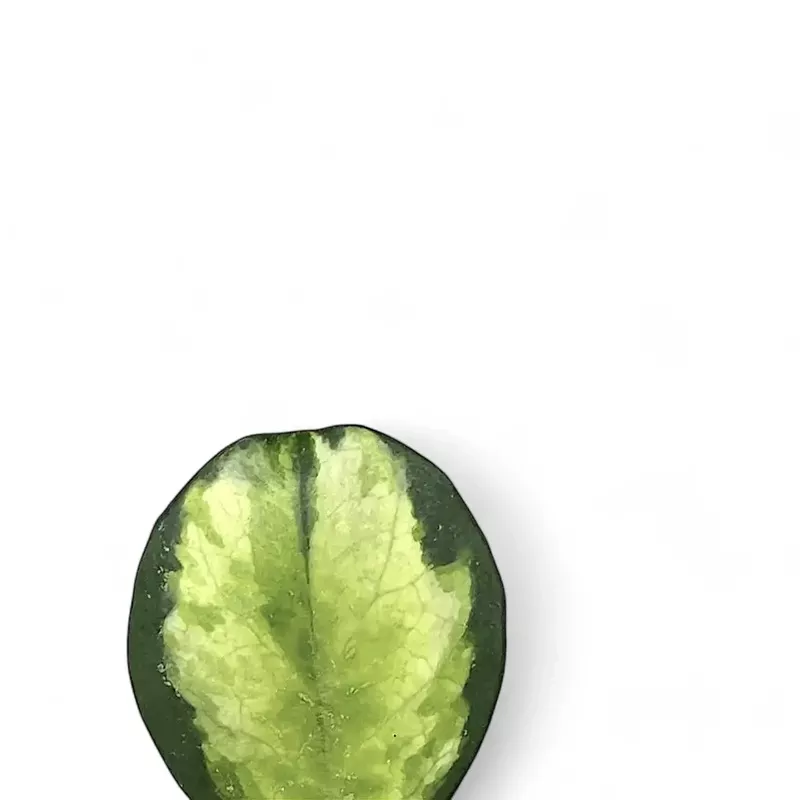
Variegated Foliage: Rounded to obovate leaves (6 10cm long, 4 8cm wide) with thick, leathery texture and cream-colored splashes across the surface. Some clones show silver speckling or light pink tones in new growth.
Slow-Growing Elegance: Slower than the green form, which means fewer trims and perfect sizing for small spaces or hanging displays.
Occasional Blooms: Produces flattened umbels of 15 25 sweetly scented flowers, each 1.2 1.5cm wide, with pale corollas and reddish coronas. Fragrance is soft and sweet, especially in the evening.
Flexible Growth Style: Can be trained to climb or left to trail. A great fit for shelves, hanging baskets, or moss poles.
Care Guide for Hoya obovata variegata
Light: Needs bright, indirect light to maintain strong variegation. Morning sun is fine; avoid intense midday exposure to prevent scorch.
Watering: Let the top 2 3cm of soil dry before rewatering. Use pots with drainage and avoid leaving water in trays.
Humidity: Tolerates average indoor humidity but benefits from 50 60% or more. Slightly dry air may cause brown tips.
Temperature: Ideal range is 18 26C. Protect from cold air and keep away from windowsills below 10C.
Soil: Use a well-aerated mix with orchid bark, perlite, and coco coir. This mimics its natural epiphytic conditions.
Feeding: Apply a balanced liquid fertilizer every 4 6 weeks. No seasonal change is needed indoors.
Pruning: Trim to shape only as needed. Never cut flower peduncles new blooms will return on old spurs.
Support: Trellis, hoop, or moss pole works well if you want it to climb. Otherwise, let it trail naturally.
Common Problems and Fixes
Yellow Leaves: Often caused by excess watering or low light. Improve drainage and move to a brighter spot.
Faded Variegation: Typically from inadequate light. Increase brightness without adding direct midday sun.
Browning Edges: Linked to underwatering or dry air. Adjust watering and consider a humidity tray.
Pests: Check for spider mites or mealybugs. Treat early with insecticidal soap or beneficial insects.
Root Rot: Caused by overwatering or heavy soil. Switch to a chunkier mix and let roots dry before watering again.
Extra Growing Tips for Hoya obovata variegata
Use breathable containers like clay to support root health and moisture control.
Keep the plant rootbound to encourage flowering and avoid unnecessary repotting.
Wipe leaves gently to maintain their variegation and remove dust.
For more care tips across all Hoya types, check our .
Etymology and Botanical Note
The genus Hoya honors British gardener Thomas Hoy, and the species name obovata refers to its distinctive reverse egg-shaped leaves. While Hoya obovata was first described in 1844 by Joseph Decaisne, Hoya obovata variegata is an informal cultivar name used widely in horticulture to describe variegated forms not yet formally published botanically.
Order Hoya obovata variegata for Your Plant Wall
This slow-growing, creamy-leafed climbing Hoya is perfect for shelves, trellises, and hanging displays. Add one to your plant collection now rare forms like this tend to go fast!